Sleep + Recharge
UX Research, Visual Design, and Content Writing
Email Newsletter
Focus
Infographics
Content Writing
Research
Science Translation
Visual Design
Email Newsletter
Cohesive Read
Tools
Sketch
Adobe Illustrator
Photoshop
Keynote
Unsplash
Preview
Adobe Acrobat
Overview
With 89% of people in the Nation reporting sleep problems, a read on how to get a better night’s sleep and how sleep works seemed relevant for people who may want to learn more about their sleep patterns in a simple and engaging way. This project takes sciencey information, which can be dense at times, and utilizes infographics, a natural tone, and connected hierarchy for an informative, clear, and practical read that may apply to readers’ lives and benefit their quality of sleep.
Current Problem
Research on health, and research in general, may take more time to understand and fully read than most people are willing to give to the enterprise. The time, technical terms, and effort to understand the article or paper may create a cognitive overload of information, where readers are more focused on piecing together the writing rather than on understanding the message. Because the effort it takes to read the science may override the enjoyment of learning something new, people may disengage from the content. This ultimately limits how often people search for information on health and how people may be able to relate to and connect useful information to their lives, when awake or asleep.
Envisioned Goal
The intent is to communicate science on sleep in a way that is engaging and absorbable with the potential to be effective in people’s lives.
With this, there is a focus on emphasizing important and relevant information but communicating it in an engaging way, so that content is enjoyable and remembered. This way, people will be informed about science, while having the ability to apply it to their lives. It is accessible for every type of reader.
The goal is to clearly present the message, about sleep processes and benefits, with the least amount of cognitive effort, so that people will be able to learn about health, possibly feel bemused, and choose to actively apply the content to their lives. They will be able to share their knowledge, interesting insights, and new opinions with other people as well.
Keywords & Phrases
Sleep, Cycles, Waves, REM, NREM, Sleep Benefits, Sleep Stages, Recommended Hours, Koalas, Rest
Science Translation Problem and Accessibility of Science → Application to Life Goal.
Problem and Goal Frontload.
Project Objectives.
Bring together a proto-persona’s key points, visual design elements, and visual and written content for a learnable read that packs a friendly punch.
01 . . . . . . . . . . . . . . . . . . . . . . . . . UX Design
02 . . . . . . . . . . . . . . . . . . . . . . Visual Design
03 . . . . . . Communication Translation

01 UX Design
Define Research Topics + Synthesize Findings + Connect the Pieces + Plan for Visuals
The Design Focus
◈ Find and Select relevant research.
◈ Utilize infographics, imagery, and other visuals to share the information.
◈ Draft a plan for the visual concepts based on how people learn content.
While we know that the topic for the email newsletter is on sleep, we need to define what topics will be highlighted and presented to people through visuals and text. So, an initial research phase scoped out the types of sleep topics being shared online and what themes seemed to appear more often than other themes. Based on the research findings, some more common and repetitive, and some less frequent but fascinating, the visual plan was loosely drafted, so that it had the flexibility to be adapted down the path of this project creation.
02 Visual Design
Select a visual theme, (nature), with an emphasis of layout, hierarchy, and colors.
The Design Focus
◈ Content and Text Choice, with titles like “Benefits,” “How to,” and “Cycles.”
◈ Layout, white space and hierarchy, with a focus on room (space) to breathe and process content.
◈ Color choice, use color to highlight key visuals and text and elevate the context through their connection (pairing) and tie them together, by linking colors to text and to focus area. (Idea of a visual beacon?)
Visual information can capture and portray a message and connect various topics together through the order in which it presents (selected) content, identified as its hierarchy, and through the way it is pieced together on a page with image sizes and text placement, its layout. The overall/ main sleep theme is meant/ intended to be a rejuvenating and restful topic (what does this mean) for readers, so colors and font were chosen to represent this naturally occurring process (in nature) as well as nature (natural environment), where sleep occurs universally and in tandem with the light of the day. The layout and hierarchy will intend to connect this theme and related content in a way that would shape how the science is told and learned through visuals of various kind and text of various intensity.
03 Communication Translation
To the point text (clearly stated; succinct) and related imagery (build off of each other) and an engaging and conversational tone (speaking to readers) and how in an experience of speaking conversationally, people could feel relaxed enough to listen, absorb, and assimilate content (piece together).
The Design Focus
◈ Tone of voice (another word for that), chill, human, understandable, clean, “your own speaking to others,” transmits clearly.
◈ Passive to active learning (look this up later) content taken off of the page and into life.
◈ Back and forth learning with text and related images throughout the read to encourage learning with the overall message with related topics . . .
Once the sleep topics are selected, I want to share the information (message & topics) in a conversational tone that would (activate) to engage the reader. Interacting with the content, will also work to efficiently share topics and connect them together (3) so that readers have the possibility of actively incorporating (folding) what they’ve remembered into their lives, if it seems relevant, piques their interest, and clearly indicates how it may benefit them. With the text and imagery being placed in ways (wc) that intend to strengthen the learning process, - with/ through images - which gives, provides, anchors and visual understanding to the content - speaking with the text (in conjunction) which gives context to the images, people will be able to connect to the message and apply the learning to / in how they sleep. The idea here is that it can be cooler and more “presient, focal, notable, noteworthy, salient,” to know the benefits of why you are doing something or how it works, or interesting facts about it. I think it makes it more relatable and exciting . . . maybe, you’ll also want to give it a try (Try it out more) too!
Choosing what Sleep Content to Communicate & Research Pivot ~
Prioritizing what information to share and what topics work together for a substantial and engaging read.
Pivot . . .
Sleep Questions . . .
Redirection . . .
Selection . . .
Message . . .
Pivot → Sleep → Questions → Redirection → Selected Message
Narrow in on 5 Topic Themes
From the selected research on sleep identify what to share in the newsletter.
Cycles
Benefits
How to Fall Asleep
Sleep Stages
Brain
Impact of Sleep on the Body
Ways to Improve Sleep Patterns
Defining the Sleep Process
How much Sleep is Best for Various Ages
Sleep Cycles Around Us
Writing Notes
5 focuses throughout the newsletter and what they are.
How did you choose them = why/ process
Connect throughout the newsletter
Connect through the reflection too!
Stages and each stage represents something different
Traveling waters = oscillations as you move through the sky
Pa’s boat analogy = River and where you go = you start to move down and find yourself in certain places exploring the currents.
Mind Map
Sensing
Thinking
Connecting
Feeling
Questioning
Frontload direction, destination, rewiring process
What happens actually
Journey
And sub messages be shared with the people they interact with later throughout their lives?
Why stop here?
How does this benefit me?
Why does this interest me?
How does this relate to my life?
How does this connect to where I plant my feet?
Layout integrate
How do I learn?
We’ll see!
Process, world journey
Hook & anchor ashore!

Users
During the day, we take in a lot and at night we get to process, similarily, we have out story composed of xyz objectives, focus, themes within the context of the problem, goal , and what happens. Short and sweet!
EMOJI Person Option
Intention, so how does the read piece together and communicate its message to the users, how does this assembly give context to the message, could be learned and assimilated well, and retrieved for actual use in their lives and the project’s main message. The intention is a strong current. Some UX . . . Transition = night and day.
Pivot → Sleep → Questions → Redirection → Selected Message
Some text here with the emoji face = Users!
Everyone Universally
Through our days, what path do I take and where do I go? What happens as I move my feet and the day turns and the perception of my world shift?
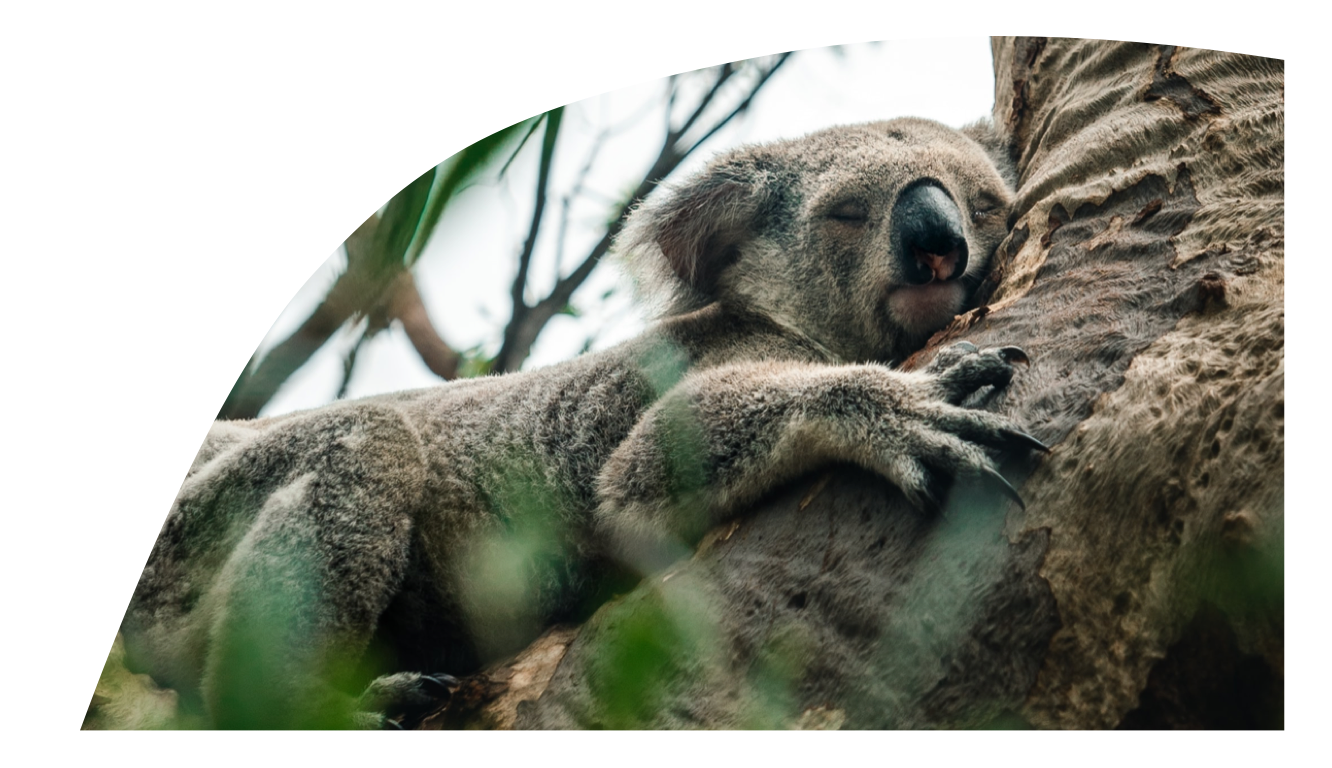
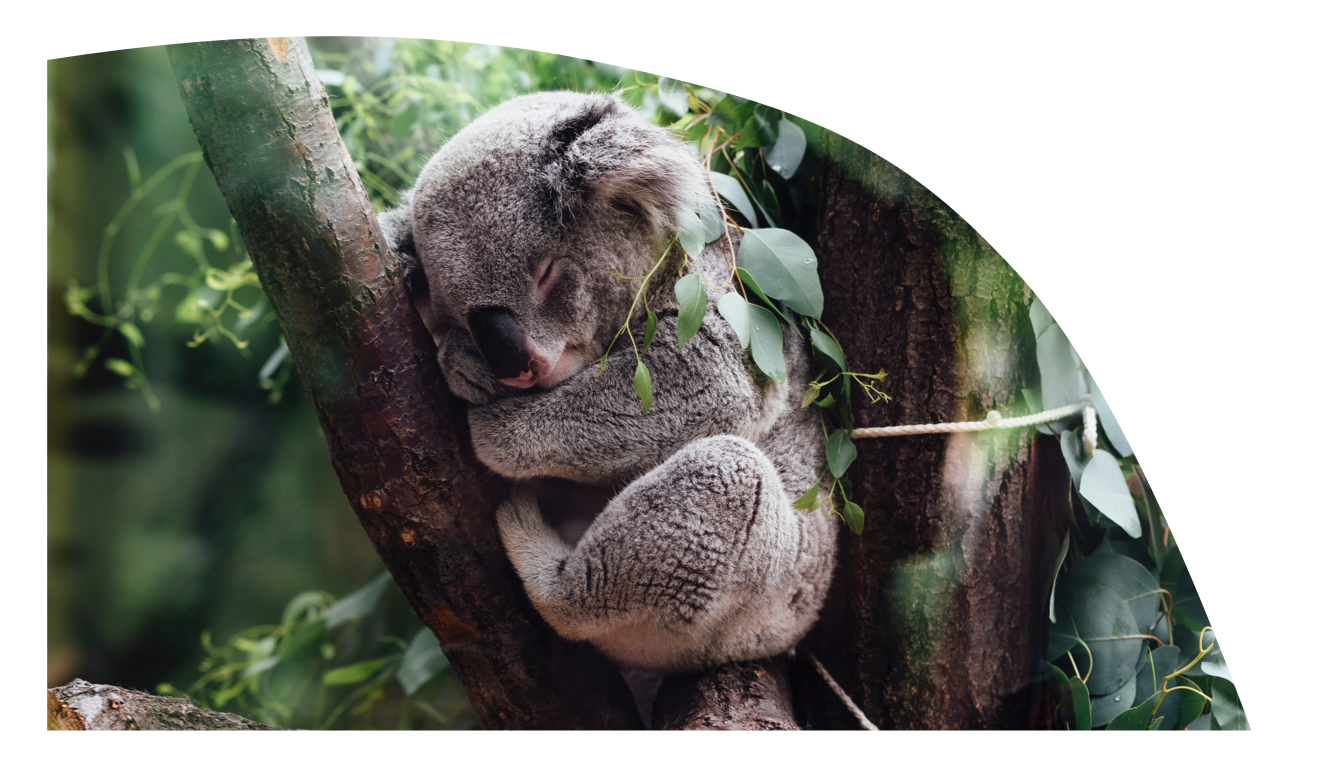
Benefits, Context, Share
Anchor
Why hook
and why this starts
(people would be interested)
Koalas, emotional connection
Super cute
Emotions/ w learning
cute things
what they do
Content. |. Why | Possible what they do, learn, heart + body
How it affects the whole body
Electrical currents in the brain
Energy
What fires us up
What it does for energy = why people sleep (better energy etc.)
Why
Content
Remember | Why | How do you get the brain fired up to take in the rest of
the information?
Think somatic networks, weaker + stronger, connecting different parts, intended learn, which links into the goal, system of learning this type of newsletter. My brain gets time to rest and heal (and learn! yum)
Wrap it up Koala #2
Why it Benefits me = Cerebral cortext surround why and how. How to do it.
Why = content = chose the most relevant since there is a lot. Can share more in the reflection = 1.Benefits of sleep , 2.How to do it 3. Why
1 Koalas overall benefits of sleep (sublink under)
2 Benefit of how long , duration you should be immersed in sleep, how to fall asleep, what happens and how long you “should” would benefit to be immersed in sleep.
Could possibly be explored later . Best way to move into sleep and how much sleep you should get. How does this happen in the body and what are the circumstances needed for this to happen in the body? (Why, How it Benefits, How to Do It)
Reasoning
Connect it
Emotional connection, of course they are so cute! What else do I want to read?
Curiosity . . . Interest
Frontload why they would want to get sleep and how it leads into understanding what sleep is and the sleep process in more detail.
Curiosity . . . Interest
Frontload why they would want to get sleep and how it leads into understanding what sleep is and the sleep process in more detail.
Curiosity . . . Interest
Frontload why they would want to get sleep and how it leads into understanding what sleep is and the sleep process in more detail.
Curiosity . . . Interest
Frontload why they would want to get sleep and how it leads into understanding what sleep is and the sleep process in more detail.
Curiosity . . . Interest
Frontload why they would want to get sleep and how it leads into understanding what sleep is and the sleep process in more detail.
Check out Resources! + + +
Lorem Ipsum
And why this starts (people would be interested). And why this starts (people would be interested). And why this starts (people would be interested).
Super cute, super cute, super cute
Emotions/ w learning, learning
cute things, yep, yep, yep +++
Overall Capture: And why this starts (people would be interested).
. . . . . . . . . . . . . . . . . . . . . . . . . . . . . . . . . . . .
Main Message
Users
Goal
HMW
Hypothesis
Theory
Objective
Strategy
3 Focuses
Big Vision
Possible strategies, deviations, road blocks, pivots, insights




Narrow in on 5 Topic Themes
From the selected research on sleep identify what to share in the newsletter.
Cycles
Benefits
How to Fall Asleep
Sleep Stages
Brain
Impact of Sleep on the Body
Ways to Improve Sleep Patterns
Defining the Sleep Process
How much Sleep is Best for Various Ages
Sleep Cycles and Those Around Us
Narrow in on 5 Topic Themes
From the selected research on sleep identify what to share in the newsletter.
Cycles
Benefits
How to Fall Asleep
Sleep Stages
Brain
Impact of Sleep on the Body
Ways to Improve Sleep Patterns
Defining the Sleep Process
How much Sleep is Best for Various Ages
Sleep Cycles and Those Around Us
Narrow in on 5 Topic Themes
From the selected research on sleep identify what to share in the newsletter.
Cycles
Benefits
How to Fall Asleep
Sleep Stages
Brain
Impact of Sleep on the Body
Ways to Improve Sleep Patterns
Defining the Sleep Process
How much Sleep is Best for Various Ages
Sleep Cycles and Those Around Us
Narrow in on 5 Topic Themes
From the selected research on sleep identify what to share in the newsletter.
Cycles
Benefits
How to Fall Asleep
Sleep Stages
Brain
Impact of Sleep on the Body
Ways to Improve Sleep Patterns
Defining the Sleep Process
How much Sleep is Best for Various Ages
Sleep Cycles and Those Around Us
Choosing what Sleep Content to Communicate & Research Pivot ~
Prioritizing what information to share and what topics work together for a substantial and engaging read.
Pivot . . .
Sleep Questions . . .
Redirection . . .
Selection . . .
Message . . .
Choosing what Sleep Content to Communicate & Research Pivot ~
Prioritizing what information to share and what topics work together for a substantial and engaging read.
Pivot . . .
Sleep Questions . . .
Redirection . . .
Selection . . .
Message . . .
01 UX Design
Define Research Topics + Synthesize Findings + Connect the Pieces + Plan for Visuals
The Design Focus
◈ Find and Select relevant research.
◈ Utilize infographics, imagery, and other visuals to share the information.
◈ Draft a plan for the visual concepts based on how people learn content.
While we know that the topic for the email newsletter is on sleep, we need to define what topics will be highlighted and presented to people through visuals and text. So, an initial research phase scoped out the types of sleep topics being shared online and what themes seemed to appear more often than other themes. Based on the research findings, some more common and repetitive, and some less frequent but fascinating, the visual plan was loosely drafted, so that it had the flexibility to be adapted down the path of this project creation.
Statistics Page . . . Click around and search for new facts , science, and summaries ! : )
With 89% of people in the Nation reporting sleep problems, a read on how to get a better night’s sleep and how sleep works seemed relevant for people who may want to learn more about their sleep patterns in a simple and engaging way.
Link , Science Data
People spend on average 10 seconds reading a brand email (“Statista” Link) Benefits ~ “People are more likely to remember visual info.” (Link)
People spend on average 10 seconds reading a brand email (“Statista” Link) Benefits ~ “People are more likely to remember visual info.” (Link)
People remember around 80% of what they see versus 10% of what they hear and 20% of what they read. (Link)
People process images 60,000 x’s faster than written or typed text. (Link) Or the average time people spend asleep or how much sleep on average is recommended for xyz adults.
People spend on average 10 seconds reading a brand email (“Statista” Link) Benefits ~ “People are more likely to remember visual info.” (Link)
People will spend less than 15 seconds actively reading on a website. (Link) People more strongly remember content when images combine and support the text. (Find Link!)
People process images 60,000 x’s faster than written or typed text. (Link) Or the average time people spend asleep or how much sleep on average is recommended for xyz adults.
People spend on average 10 seconds reading a brand email (“Statista” Link)
People remember around 80% of what they see versus 10% of what they hear and 20% of what they read. (Link)
Project Notes
What’s up with the users?
Bring it back to the users after setting up the process for creating the newsletter. Protopersona imagery. = can show a graph here too ! UX
TEXT
like a car road or a link . . . . .
VROOM !!!
🏎
🏎
🚲
Project Objectives.
Bring together a proto-persona’s key points, visual design elements, and visual and written content for a learnable read that packs a friendly punch.
01 UX Design
02 Visual Design
03 Communication Translation
Project Objectives.
Bring together a proto-persona’s key points, visual design elements, and visual and written content for a learnable read that packs a friendly punch.
01 UX Design
02 Visual Design
03 Communication Translation
Current Problem.
Research on health, and research in general, may take more time to understand and fully read than most people are willing to give to the enterprise. The time, technical terms, and effort to understand the article or paper may create a cognitive overload of information, where readers are more focused on piecing together the read rather than on understanding the message. Because the effort it takes to read the science may override the enjoyment of learning something new, people may disengage from the content. This ultimately limits how often people search for information on health and how people may be able to relate to and connect useful information to their lives.
Envisioned Goal.
The intent is to communicate science on sleep in a way that is engaging and absorbable with the potential to be effective in people’s lives.
With this, there is a focus on emphasizing important and relevant information but communicating it in an engaging way, so that content is enjoyable and remembered. This way, people will be informed about science, while having the ability to apply it to their lives. It is accessible for every type of reader.
The goal is to clearly present the message, about sleep processes and benefits, with the least amount of cognitive effort, so that people will be able to learn about health, possibly feel bemused, and choose to actively apply the content to their lives. They will be able to share their knowledge, interesting insights, and new opinions with other people as well. there is more
Keywords & Phrases.
Sleep, Cycles, Waves, REM, NREM, Sleep Benefits, Sleep Stages, Recommended Hours, Koalas, Rest
Science Translation Problem and Accessibility of Science and application to Life Goal.
Problem and Goal Frontload
Research on health, and research in general, may take more time to understand and fully read than most people are willing to give to the enterprise. The time, technical terms, and effort to understand the article or paper may create a cognitive overload of information, where readers are more focused on piecing together the read rather than on understanding the message. Because the effort it takes to read the science may override the enjoyment of learning something new, people may disengage from the content. This ultimately limits how often people search for information on health and how people may be able to relate to and connect useful information to their lives.
Current Problem.
Envisioned Goal.
The intent is to communicate science on sleep in a way that is engaging and absorbable with the potential to be effective in people’s lives.
With this, there is a focus on emphasizing important and relevant information but communicating it in an engaging way, so that content is enjoyable and remembered. This way, people will be informed about science, while having the ability to apply it to their lives. It is accessible for every type of reader.
The goal is to clearly present the message, about sleep processes and benefits, with the least amount of cognitive effort, so that people will be able to learn about health, possibly feel bemused, and choose to actively apply the content to their lives. They will be able to share their knowledge, interesting insights, and new opinions with other people as well.
Keywords & Phrases.
Sleep, Cycles, Waves, REM, NREM, Sleep Benefits, Sleep Stages, Recommended Hours, Koalas, Rest
Project.
Lorem ipsum dolor sit amet, consectetur adipiscing elit, sed do eiusmod tempor incididunt ut labore et dolore magna aliqua. Ut enim ad minim veniam, quis nostrud exercitation ullamco laboris nisi ut aliquip ex ea commodo consequat.
Tools: Sketch, Adobe Illustrator, Photoshop, Keynote, Unsplash
Focus: InfoGraphs, Sciencey Info., Content Writing, Research, Visual Design
The Sleep + Recharge Case Study is in the works . . .
Thanks for your patience !
P.1 - Benefits

Benefits
Lorem ipsum dolor sit amet, consectetur adipiscing elit, sed do eiusmod tempor incididunt ut labore et dolore magna aliqua. Ut enim ad minim veniam, quis nostrud exercitation ullamco laboris nisi ut aliquip ex ea commodo consequat.
Stronger Immune System
Lorem ipsum dolor sit amet, consectetur adipiscing elit, sed do eiusmod tempor incididunt ut labore et dolore magna aliqua. Ut enim ad minim veniam, quis nostrud exercitation ullamco laboris nisi ut aliquip ex ea commodo consequat.
+ Social & Emotional Skills
Lorem ipsum dolor sit amet, consectetur adipiscing elit, sed do eiusmod tempor incididunt ut labore et dolore magna aliqua. Ut enim ad minim veniam, quis nostrud exercitation ullamco laboris nisi ut aliquip ex ea commodo consequat.
+++ Energy
Lorem ipsum dolor sit amet, consectetur adipiscing elit, sed do eiusmod tempor incididunt ut labore et dolore magna aliqua. Ut enim ad minim veniam, quis nostrud exercitation ullamco laboris nisi ut aliquip ex ea commodo consequat.
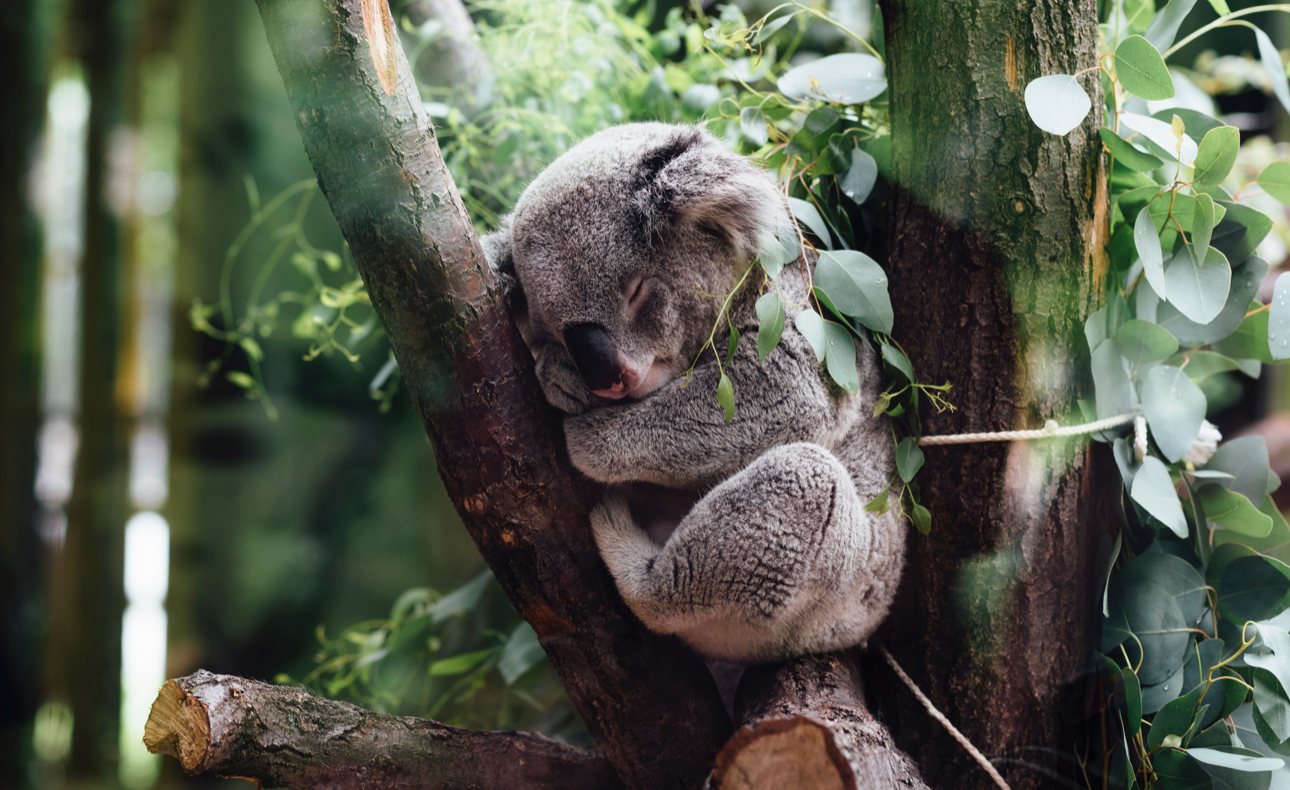
How to Do It
Lorem ipsum dolor sit amet, consectetur adipiscing elit, sed do eiusmod tempor incididunt ut labore et dolore magna aliqua. Ut enim ad minim veniam, quis nostrud exercitation ullamco laboris nisi ut aliquip ex ea commodo consequat.

P.2 - Cycles
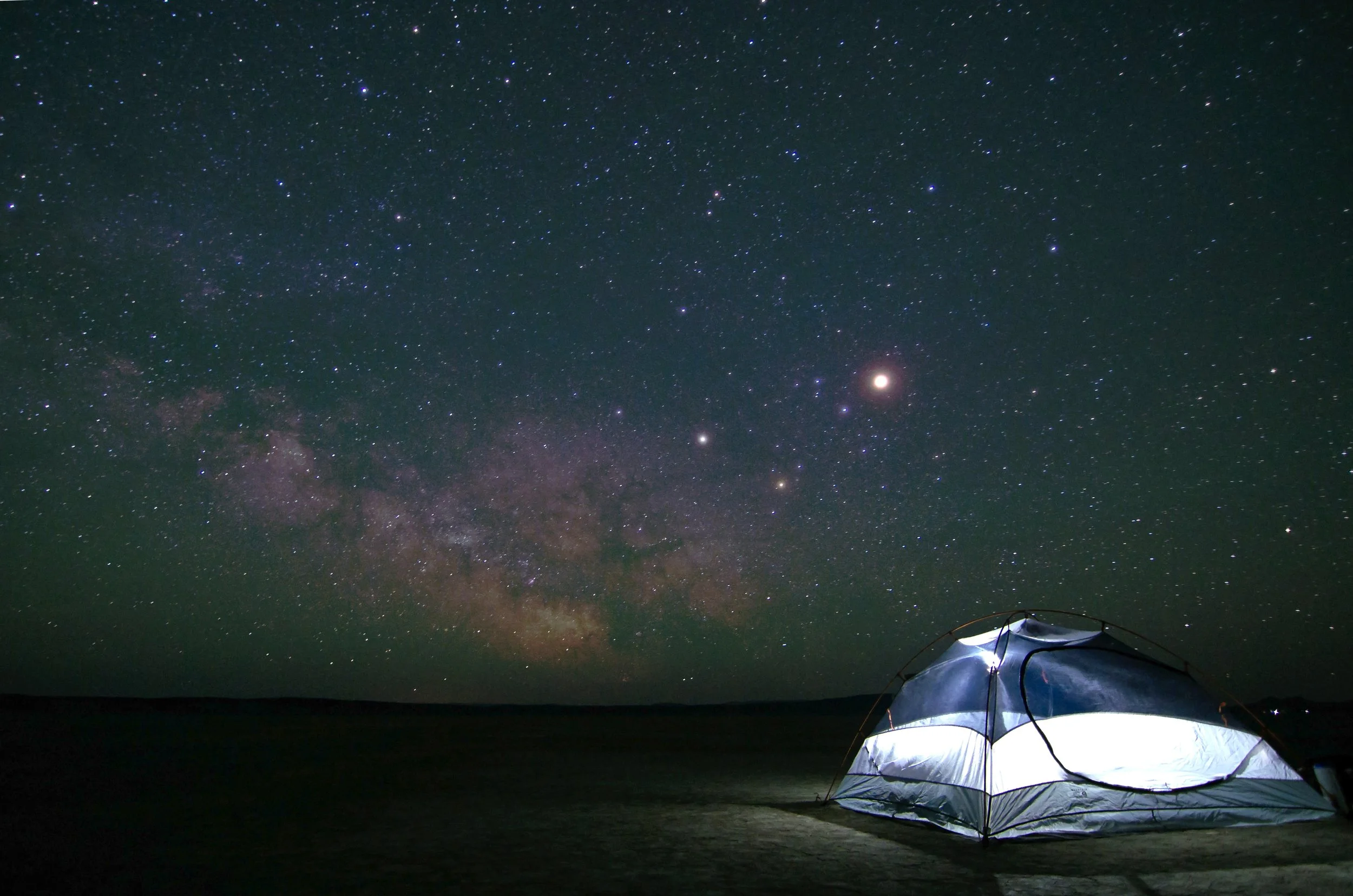
“Sleeping is no mean art; For its sake one must stay awake all day.”
— Friedriche Nietzsche